
Improving School Meal Quality by Identifying Barriers and Successes
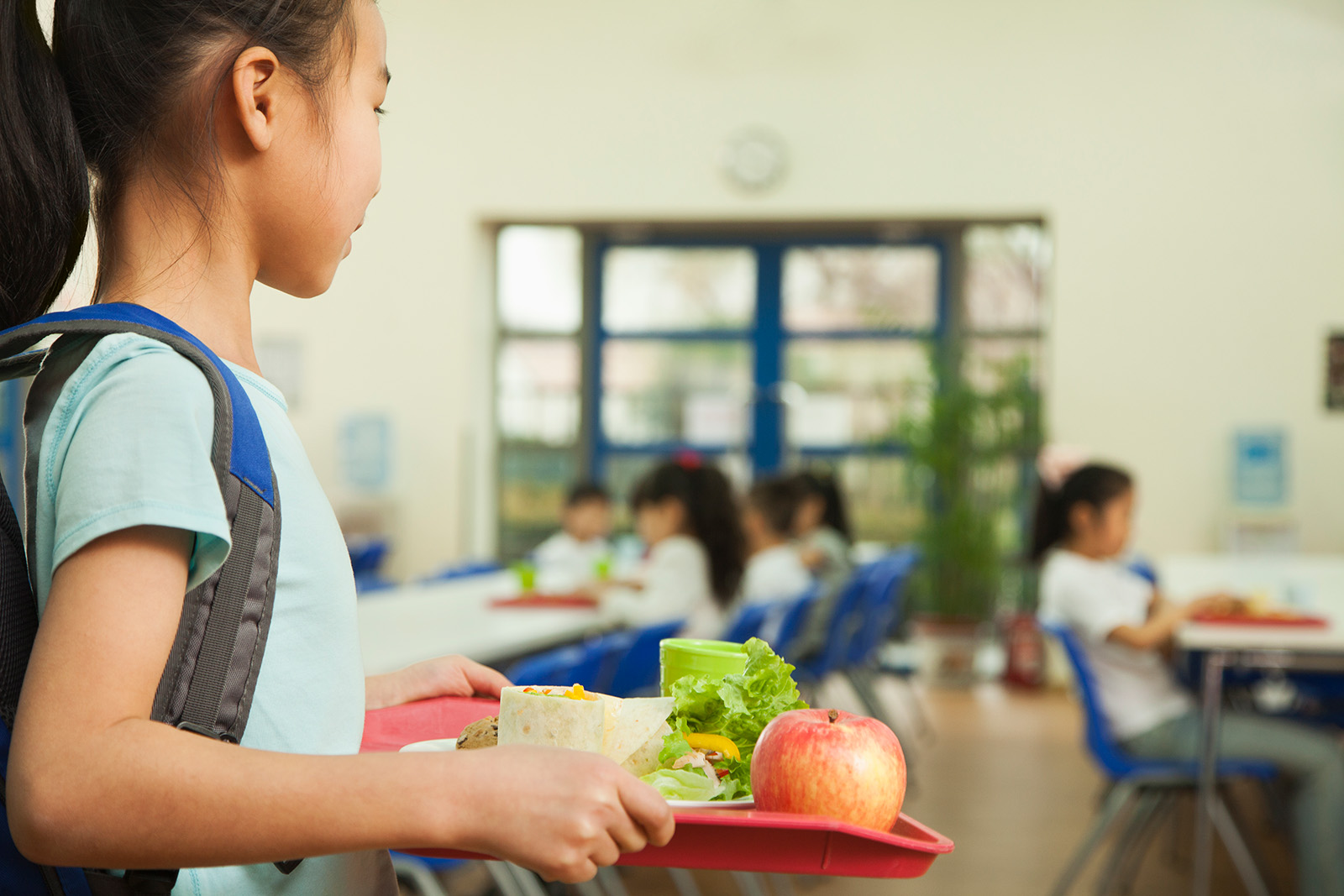
School meal programs are a major public investment and play a critical role in children’s health. MPHI led a statewide study, in partnership with the Michigan Department of Education and Michigan State University, to examine how food service models and procurement practices affect meal quality and access to local foods.
The study found that Michigan’s school meal programs served more than 1.3 million students annually during the 2022 to 2024 school years, with growing participation in the state’s 10 Cents a Meal program. Regional differences revealed operational barriers tied to school size, location, and capacity, as well as practices that improved access to fresh foods, such as strategic budgeting and vendor negotiation.
Findings from the study informed legislative adjustments to allowable program expenditures, including transportation, without requiring new appropriations. These changes expanded participation in rural areas and strengthened local food access. Together, the results provided actionable guidance to improve meal quality and support local procurement across all of Michigan.

Connect with MPHI